Assessment, Feedback and Tracking
WE DO NOT BELIEVE IN ONEROUS ASSESSMENT
But assessment that is effective in informing children and school adults about progress and effective in terms of impacting on teacher lesson planning. Teacher assessment occurs informally continuously throughout the year with two formal assessment points annually, one in January (SATs across all years) with the other in June (GL Assessments across all years). Any Year 10 and 11 young people on a GCSE programme will usually sit mock exams in January of both years in preparation for final exams.
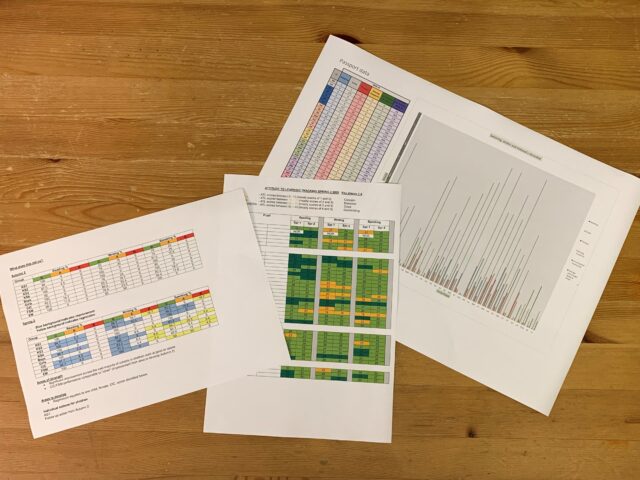
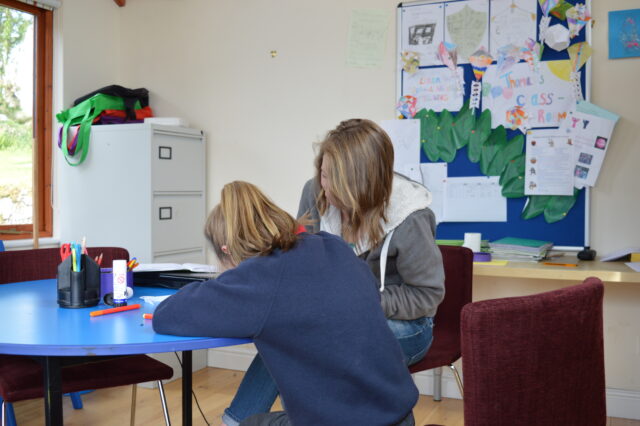 Due to the changing needs of the current cohort at Libra where more pupils present with different learning difficulties, we track progress each term in English (Reading, Writing, Speaking), Maths and Science. Progress identified by the children’s teachers is assessed by the Head Teacher to be working towards not likely to achieve, on track to achieve or likely to exceed predicted progress in one academic year. Each half term the analysis of progress data identifies strengths and weaknesses across the school in these subjects and formulates actions so we can respond quickly and appropriately to any concerns for children under or over-achieving. Actions are reviewed for impact in the subsequent term’s data analysis and are used to develop future planning to strengthen our provision further. Consequently, we will continue to have very accurate progress and attainment data to support accurate target setting in core subjects for every individual child that will challenge them at their own level of learning and aim to narrow the gap as much as possible.
The school’s Marking Policy details the expectation in terms of feedback and marking in children’s books. This is regularly monitored by Headteacher with the staff team to ensure consistency within a subject but also across all subjects.
TEACHING IS A CONTINUOUS ORGANIC PROCESS
Feedback to children in addition to marking also happens in the following ways:
In the lesson:
- constant questioning allows constant verbal feedback. Teachers/LSAs stop, reframe and adapt lessons as they are teaching based on the live feedback that they are receiving.
- Children are actively involved in evaluating their own learning in each lesson using systems that they understand and can be consistent using.
- In-between lessons- after lessons, teachers/LSAs reflect on inconsistencies, misconceptions and sticking points. This evaluation informs planning in the next lesson(s) to recap these areas (interleaving).
Children are also assessed on the skills and knowledge they build at both the farm and forest school, earning badges where appropriate linked to their knowledge and understanding of outdoor skills ; animal welfare, including how to look after them and keep them healthy; and the natural world such as plant identification, water systems to name a few.
There is an effective organic process of performance management managed by the Headteacher which supports teachers to continually self-reflect and evaluate their own performance in terms of assessment and feedback, which encourages them to think out of the box and be inventive with their teaching. The Senior Management Team are highly visible during the school day to ensure that school adults are supported to provide a disciplined, imaginative and fun school environment.
Contact us
More about us
Copyright Libra School 2025. All rights reserved. Blackford Education (Schools) Ltd, DfES No 878/6202. Company Registration No 4335980.